=
At White Pine Bookkeeping, we often tell clients that one of the most important foundations of accurate financial management is a well-structured Chart of Accounts (COA). Whether you’re a new business owner or you’ve been operating for years, your COA plays a critical role in giving you clarity, consistency, and confidence in your financial reporting.
What Is a Chart of Accounts?
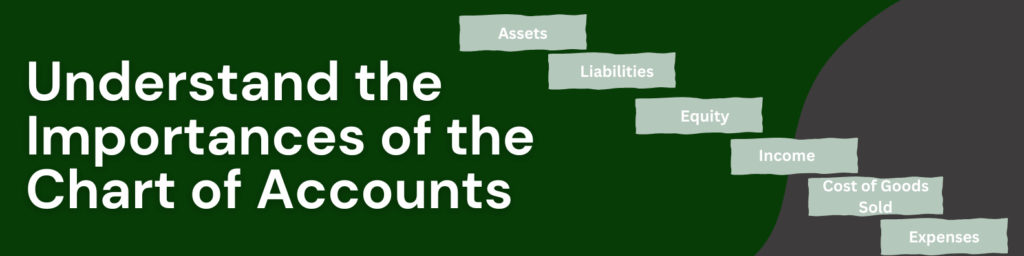
A chart of accounts is a categorized list of all the accounts your business uses to track its financial activity. These accounts fall into major buckets such as:
- Assets
- Liabilities
- Equity
- Income
- Expenses
Think of it as the backbone of your financial recordkeeping. Every transaction your business makes, every sale, bill, payroll run, loan payment, and purchase, flows into one of these accounts.
Why Your Business Needs a Strong Chart of Accounts
1. It Keeps Your Financials Organize
Without a consistent structure, accounting can quickly become chaotic. A well-defined COA ensures every transaction lands where it belongs, reducing confusion and improving accuracy. This makes bookkeeping, and ultimately tax preparation, much smoother.
2. It Helps You Make Better Decisions
Your chart of accounts determines how your financial data is categorized, which directly affects the quality of your financial reports. With a clear COA, you can spot trends, identify overspending, monitor revenue streams, and make informed strategic decisions.
3. It Leads to More Accurate Reporting
Accurate financial reports come from consistent categorization. A thoughtfully designed COA ensures that similar transactions are always recorded the same way. This consistency makes your Profit & Loss and Balance Sheet far more reliable.
4. It Supports Business Growth
As your business grows, so does the complexity of your financial activity. A scalable COA allows you to add accounts as needed without disrupting your entire system. It forms a framework you can build on year after year.
5. It Improves Communication With Your Accountant or Bookkeeper
When your accounts are clean and well structured, everyone on your financial team is on the same page. You spend less time explaining unclear categories and more time discussing meaningful insights and strategies.
6. It Reduces Errors and Saves Time
Misclassifications are one of the most common causes of messy books. A solid COA makes it much easier to choose the right account, preventing mistakes before they happen. Over time, this saves hours of cleanup work.
For most small businesses, a great COA is:
- Clear: Account names are easy to understand
- Consistent: Similar transactions always go to the same place
- Customized: Tailored to your industry and business model
- Scalable: Able to grow with your company
At White Pine Bookkeeping, we build custom COAs designed around what you need, not a generic template.